How to Identify Quality Clothing Before You Buy
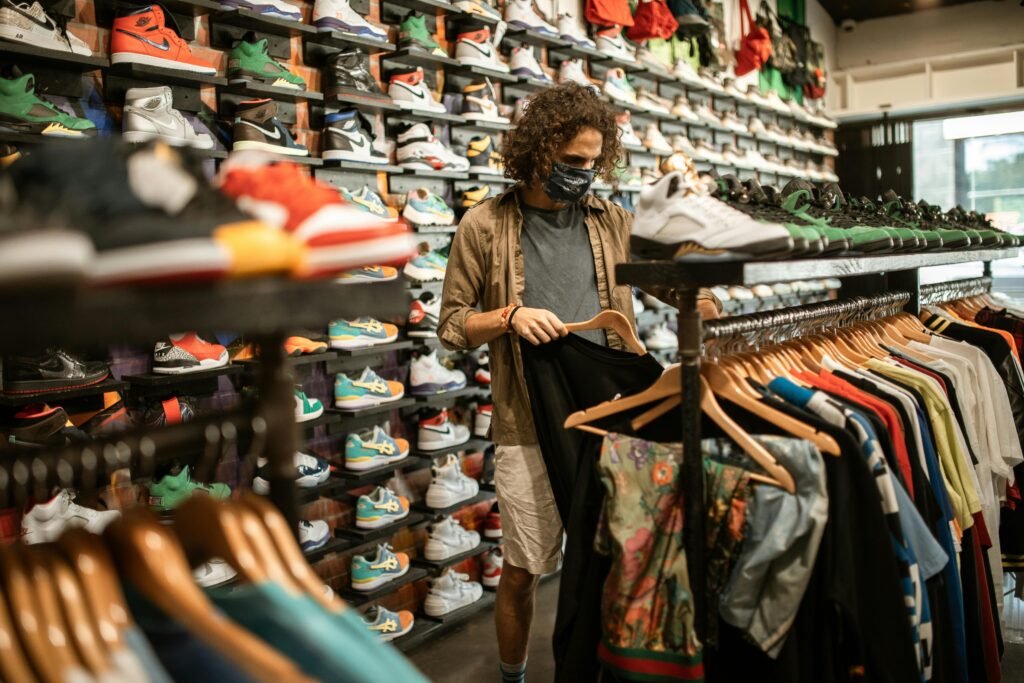
In today’s fast-paced fashion world, it’s easy to be tempted by trendy styles and low prices. But when it comes to building a wardrobe that lasts, quality always beats quantity. High-quality clothing not only looks and feels better, but it also saves you money in the long run — fewer replacements, less waste, and timeless style that never fades.
Whether you’re shopping in-store or online, knowing how to identify quality clothing before you buy is an essential skill. This guide will walk you through everything you need to know — from fabrics and stitching to fit, finishing, and brand ethics — so you can make smart, stylish, and sustainable fashion choices.
Tips For How to identify quality clothing
1. Understand the Fabric — The Foundation of Quality
The first step to identify quality clothing is understanding what it’s made of. The fabric determines the garment’s comfort, durability, and overall look.
Natural fabrics like cotton, wool, silk, and linen tend to last longer and feel more breathable than synthetics. They’re less likely to pill, tear, or lose shape over time. On the other hand, synthetic fabrics like polyester and nylon are often cheaper and easier to care for but may not offer the same comfort or longevity.
Here’s what to Identify Quality Clothing :
- Cotton: Opt for 100% cotton or combed cotton for softness and durability. Egyptian and Pima cotton are premium options.
- Wool: Choose tightly woven wool; it should feel soft, not itchy. Merino wool is a great lightweight, breathable option.
- Silk: High-quality silk has a natural sheen and feels smooth, not slippery.
- Linen: Should feel crisp yet soft, and it gets better with each wash.
Tip: Check the fabric label. If the item is mostly synthetic, ensure it has a reason — for example, a bit of spandex for stretch in jeans or activewear is practical.
2. Examine the Stitching and Seams
The stitching is one of the clearest indicators of quality craftsmanship. Even the most luxurious fabric can look cheap if the seams are poorly done.
What to check:
- Consistency: The stitches should be even, straight, and closely spaced. Loose, uneven stitches or hanging threads are red flags.
- Tightness: Pull gently at the seams. If you see gaps or light through them, the stitching isn’t strong enough.
- Reinforcement: Look for double stitching in high-stress areas (like shoulders, waistbands, and cuffs). Quality garments often have extra stitching for strength.
Inside the garment, the seams should be finished neatly — not raw or fraying. If the edges are bound or overlocked, that’s a Identify Quality Clothing
3. Feel the Fabric Weight and Texture
A quick way to Identify Quality Clothing is to touch and feel the fabric. High-quality materials usually have a noticeable weight and structure. Lightweight doesn’t always mean poor quality, but the fabric should feel substantial for its type.
For example:
- A quality cotton T-shirt will feel soft but dense, not thin or see-through.
- A good wool sweater will feel plush and spring back into shape when stretched.
- Denim should feel sturdy but flexible, not stiff or papery.
If the fabric feels flimsy, rough, or overly shiny (in the case of synthetics), it’s likely made with cheaper materials or processed excessively.
4. Check the Buttons, Zippers, and Other Fastenings
The small details make a big difference. Buttons, zippers, and fastenings are often overlooked but reveal a lIdentify Quality Clothing.
Look for:
- Buttons: Should be securely stitched with a cross or shank thread, not hanging loose. Quality brands often use real materials like horn, shell, or wood instead of cheap plastic.
- Zippers: Should glide smoothly and feel sturdy. YKK zippers are a sign of reliability.
- Snaps and hooks: Should be evenly attached and not wobble.
If you’re buying online, zoom in on product photos to check these details — a high-quality brand will usually show close-ups.
5. Inspect the Lining and Inside Finishing
The inside of a garment tells the truth. Well-made Identify Quality clothing looks as neat inside as it does outside.
Here’s what to notice:
- Lining: A good lining helps garments drape better and last longer. It should feel smooth and be securely attached, not hanging loosely.
- Seam binding: The raw edges of the fabric should be covered or neatly serged.
- Hidden workmanship: If the inside looks clean, symmetrical, and well-finished, it’s a mark of professional tailoring.
Unlined garments can still be Identify Quality Clothing — just ensure the inner seams are tidy and durable.
6. Assess the Fit and Cut
Even the most expensive clothing can look cheap if it doesn’t fit right. Quality brands pay attention to fit, proportion, and structure — ensuring the garment flatters the body and moves comfortably.
When trying clothes on:
- Check for comfort: You should be able to move freely without pulling or gaping.
- Symmetry: Seams and hems should align evenly.
- Balance: The garment should hang naturally and maintain its shape after wearing.
If the piece fits well in most places but needs slight tailoring, that’s normal. Identify Quality Clothingi s often designed with enough allowance for minor adjustments.
7. Look for Pattern Matching
This is a subtle but important detail. If a garment has patterns like stripes, plaids, or prints, the patterns should align at the seams — especially at the shoulders, sides, and pockets.
Pattern matching takes extra time and fabric, which is why cheaper items often skip it. Aligned patterns are a clear sign that the brand values precision and craftsmanship.
8. Evaluate the Brand’s Transparency and Ethics
Quality isn’t just about how a garment looks — it’s also about how it’s made. Ethical brands that focus on sustainability and fair labor practices often produce better-Identify Quality Clothing because they value longevity over fast trends.
Here’s how to assess a brand’s integrity:
- Check their website for details about fabric sourcing, production processes, and certifications.
- Look for labels like Fair Trade, GOTS (Global Organic Textile Standard), or OEKO-TEX.
- Avoid ultra-cheap fast fashion — low prices usually come at the cost of quality and ethics.
By supporting transparent brands, you’re investing in clothing that’s built to last — for you and the planet.
9. Test for Durability
You can do simple tests in-store to check durability:
- Stretch Test: Gently pull the fabric. Does it bounce back easily or stay stretched out? Quality materials recover their shape quickly.
- Wrinkle Test: Scrunch the fabric in your hand. If it wrinkles heavily and doesn’t relax, it may not hold up well.
- Light Test: Hold light fabrics up to the light — if they’re nearly see-through, they might wear out fast.
These small tests give insight into how well a garment will perform over time.
10. Price vs. Value — Understand the Difference

A higher price doesn’t always guarantee better quality, but extremely cheap prices are usually a warning sign. Quality clothing costs more because of better materials, skilled labor, and ethical production.
Think in terms of cost per wear — a $100 shirt that lasts five years is more valuable than a $20 shirt that fades in two washes. Investing in fewer, better-made pieces builds a wardrobe that’s stylish, sustainable, and long-lasting.
11. Online Shopping Tips for Quality Clothing

Shopping online makes it harder to inspect garments in person, but you can still make informed choices:
- Read product descriptions carefully — look for mentions of fabric composition, stitching, and lining.
- Zoom in on photos to check texture and finishing.
- Read reviews for feedback on fit, feel, and durability.
- Buy from reputable stores with clear return policies.
If a website doesn’t provide detailed photos or fabric information, that’s usually a red flag.
12. Think Long-Term — Choose Timeless Over Trendy
Quality clothing is an investment. Instead of chasing every trend, focus on timeless, versatile pieces that you can mix and match across seasons. Here we discussed how to identify quality clothing.
Think classic shirts, tailored trousers, denim, blazers, and neutral tones. Trends come and go, but well-made basics never go out of style.
For More, Click Here
Final Thoughts
Identifying quality clothing is a skill that pays off for years to come. By paying attention to fabric, stitching, fit, and finishing, you can spot well-made pieces that truly stand the test of time. Beyond aesthetics, choosing quality over quantity supports sustainability — reducing waste, saving money, and promoting ethical fashion practices.
When you invest in quality, you’re not just buying clothes — you’re building a wardrobe that reflects care, confidence, and consciousness.