How to Care for Clothes to Make Them Last Longer
Clothes are more than just fabric — they represent your personality, confidence, and lifestyle. But even the best-quality garments can lose their charm if they’re not cared for properly. From washing mistakes to improper storage, simple habits can shorten the life of your favorite pieces.
The good news? With the right clothing care routine, you can extend the Care for Clothes , save money, and contribute to a more sustainable fashion future. This guide covers everything you need to know about how to care for your clothes to make them last longer — from washing and drying to storing and repairing.
1. Read the Care Labels — They Matter!
Every piece of clothing comes with a care label, and it’s there for a reason. Those tiny symbols on the tag might look confusing, but they contain vital information about how to wash, dry, and iron your garment.
- Washing Symbols: Indicate water temperature and whether to hand-wash or machine-wash.
- Drying Symbols: Show whether to tumble dry, line dry, or lay flat.
- Ironing Symbols: Tell you how much heat can be applied safely.
Tip: If you’re unsure what a symbol means, take a moment to look it up or keep a quick reference chart near your laundry area. Following the instructions on the label ensures that the fabric’s fibers stay strong and the colors remain vibrant.
2. Wash Less Frequently
One of the easiest ways to make clothes last longer is to wash them less often. While it might seem cleaner to wash after every wear, frequent washing wears down fabric fibers, fades colors, and causes shrinkage.
Here’s a quick guide:
- Jeans: Wash after 4–5 wears unless visibly dirty.
- T-shirts and Tops: After 1–2 wears, depending on sweat.
- Sweaters and Jackets: After 5–6 wears.
- Delicates (like silk or lace): After 1–2 wears, hand-wash preferred.
Pro Tip: Use a gentle fabric spray or steamer to freshen clothes between washes. It keeps them smelling clean without constant washing.
3. Sort Your Laundry Properly
Sorting isn’t just about separating lights and darks — it’s also about fabric type and washing needs. Mixing everything together can cause color bleeding, pilling, and fabric damage.
Here’s how to sort effectively:
- By Color: Whites, darks, and colors separately.
- By Fabric: Heavy items (like jeans and towels) should be washed apart from light ones (like shirts and dresses).
- By Care Type: Keep delicate or “hand-wash only” items separate from regular laundry.
Proper sorting helps prevent wear and tear caused by friction between fabrics.
4. Use Cold Water and Gentle Detergent
Hot water might seem more effective for Care for Clothes , but it can damage many fabrics by breaking down fibers and causing color fading. Cold water is often sufficient for most clothes and helps preserve their texture and color.
Choose a mild, eco-friendly detergent that’s free from harsh chemicals and optical brighteners. These ingredients can be too aggressive, especially on natural fabrics like cotton, silk, or wool.
Bonus Tip: Avoid using too much detergent — it can leave residue on clothes and make them stiff. Use only the amount recommended on the packaging or slightly less.
5. Avoid Overloading the Washing Machine
Stuffing your washing machine might save time, but it’s tough to Care for Clothes . When the machine is overloaded, garments rub harshly against one another and don’t get cleaned properly.
Leave enough space for water and detergent to circulate freely. This reduces friction and helps clothes come out cleaner and fresher — with minimal damage.
6. Turn Clothes Inside Out Before Washing
This simple habit can make a big difference. Turning clothes inside out before washing protects the outer surface from friction, fading, and lint. It’s especially useful for printed T-shirts, denim, and dark-colored clothes that tend to fade quickly.
7. Handle Delicates with Extra Care
Delicate fabrics like silk, lace, and chiffon need special attention. If the care label says “hand wash,” resist the temptation to toss it in the machine. Use lukewarm water, a gentle detergent, and avoid wringing the fabric.
If you prefer machine washing, place delicates in a mesh laundry bag and select the gentle or delicate cycle. Always air dry these items to avoid heat damage.
8. Dry Clothes Naturally When Possible
Dryers are convenient, but the high heat can cause shrinkage, fading, and weaken fabric elasticity over time. Whenever possible, air dry your clothes — either by hanging them up or laying them flat.
Here’s how to dry effectively:
- Avoid direct sunlight: It can fade colors. Dry in the shade or indoors.
- Lay knits flat: Sweaters and knitwear can stretch if hung.
- Shake out wrinkles: Before hanging to minimize the need for ironing.
If you must use a dryer, use the lowest heat setting and remove clothes while slightly damp to avoid over-drying.
9. Store Clothes Correctly
Storage plays a huge role in keeping your clothes in good shape. Poor storage can lead to wrinkles, stretching, or even mold growth.
For hanging clothes:
- Use padded or wooden hangers to maintain shape.
- Button shirts and zip zippers before hanging.
- Don’t overcrowd your closet — give each item breathing space.
For folded clothes:
- Fold heavy items like sweaters to prevent stretching.
- Store them in cool, dry places to avoid moisture buildup.
You can also use cedar blocks or sachets to keep moths and insects away — especially for wool garments.
10. Iron and Steam Carefully

Excessive heat from ironing can weaken fabric fibers or cause shiny spots. Always check the label for recommended temperatures.
If possible, use a steamer instead of an iron — it’s gentler and works wonders for removing wrinkles. For ironing:
- Use a pressing cloth between the iron and delicate fabrics.
- Iron clothes inside out to prevent shine and marks.
- Avoid ironing prints or embellishments directly.
11. Repair, Don’t Replace
A small tear or missing button doesn’t mean the end of a garment. Basic mending skills can go a long way in extending the life of your clothes.
Keep a simple sewing kit handy for quick fixes:
- Stitch loose hems or seams.
- Replace missing buttons.
- Use fabric glue or patches for small holes.
By repairing rather than replacing, you save money and reduce textile waste — a win for both your wardrobe and the planet.
12. Rotate Your Wardrobe
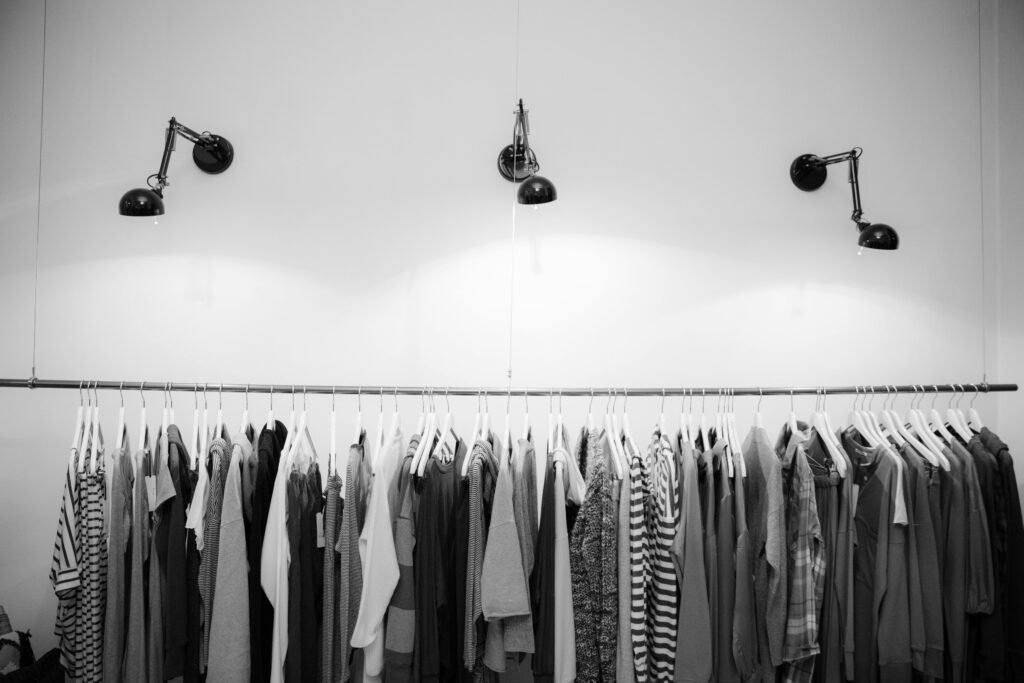
Wearing the same pieces too often causes faster wear. Rotating your wardrobe not only keeps your outfits fresh but also gives your clothes time to rest between wears.
Try seasonal organization — store away winter clothes during summer and vice versa. This keeps your closet neat and your garments well-preserved.
13. Be Gentle with Accessories and Jewelry

Accessories like belts, bags, and jewelry can easily snag delicate fabrics. Be mindful when dressing — especially with materials like silk, chiffon, or lace.
Also, avoid carrying heavy bags on your shoulders repeatedly, as this can wear down the fabric of shirts or blazers over time.
14. Embrace Sustainable Habits
Taking care of your clothes is part of sustainable fashion. The longer your clothes last, the less often you need to buy new ones, which helps reduce waste and environmental impact.
Support brands that prioritize quality, ethical production, and eco-friendly materials. When your clothes finally wear out, consider upcycling, donating, or recycling them responsibly.
For Store Details, click here
Final Thoughts
Caring for your clothes doesn’t have to be complicated — it’s about developing mindful habits that respect both the fabric and the environment. By following these simple steps, you can keep your wardrobe looking new for years, reduce waste, and embrace a more sustainable approach to fashion.
Every stitch, fiber, and fabric deserves care. When you treat your clothes well, they reward you with lasting comfort, timeless style, and a cleaner planet.