Eco-Friendly Laundry
Eco-Friendly Laundry Tips: How to Wash Clothes the Sustainable Way
Doing laundry is something we all do regularly—but few realize how much impact it has on the environment. From the electricity used in washing machines to the chemicals in detergents, every load contributes to water pollution, energy consumption, and microfiber waste. The good news? With a few simple changes, you can make your laundry routine cleaner, greener, and more sustainable.
In this guide, we’ll explore eco-friendly laundry tips that help reduce waste, save energy, and keep your clothes lasting longer—all while caring for the planet.
1. Wash Only When Necessary
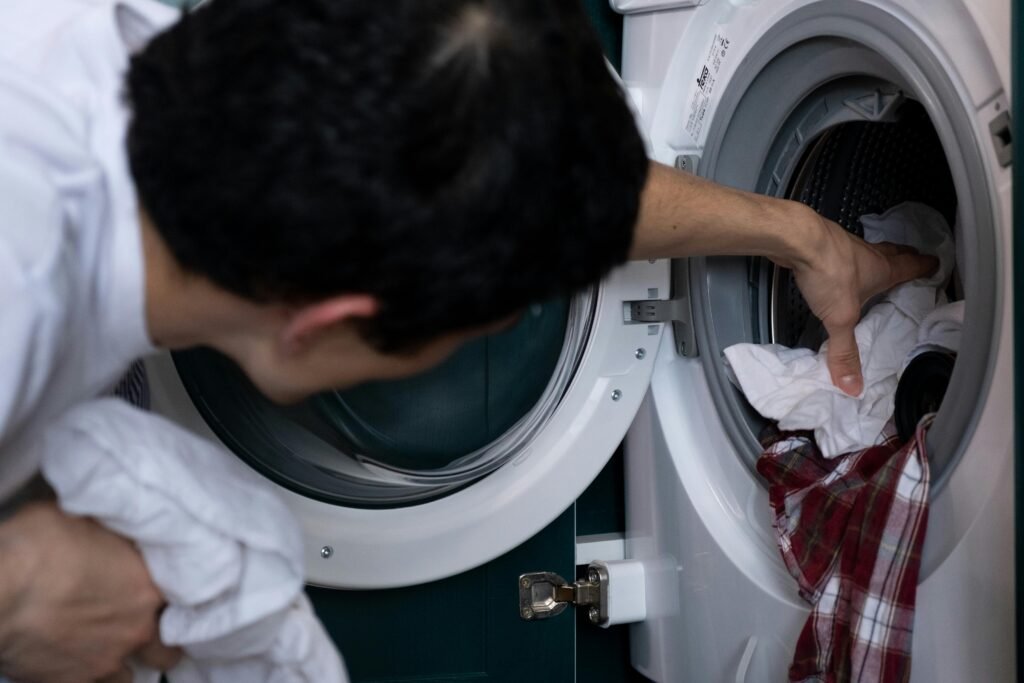
The first rule of eco-friendly laundry is simple: wash less.
Many of us toss clothes into the hamper after a single wear, even when they’re not dirty. Washing too often wears down fabrics faster, wastes water, and uses unnecessary energy.
Try this instead:
- Air out clothes between wears to freshen them up.
- Tackle small stains right away by cleaning just the affected area instead of washing the entire outfit.
- Re-wear jeans, sweaters, and jackets several times before washing.
This small change can cut your laundry loads by 25–30%, saving both water and electricity while keeping your clothes in better condition.
2. Use Cold Water for Washing
Most of a washing machine’s energy use—about 90%—goes toward heating water. By washing clothes in cold water, you instantly make your laundry routine more energy-efficient.
Cold water is gentler on fabrics, prevents colors from fading, and works perfectly well with today’s advanced detergents.
Tip: Choose a cold-water detergent designed to perform in lower temperatures. You’ll save money on your electricity bill while reducing your carbon footprint.
3. Always Wash Full Loads
Here’s a unique version:
Operating your washing machine without a full load uses unnecessary water and energy.
.Instead, wait until you have a full load before doing laundry.
However, don’t overload it either—clothes need space to move freely for a proper clean. A good rule of thumb is to fill your machine about three-quarters full.
For smaller loads, use the eco or small-load setting to minimize resource use.
4. Choose Eco-Friendly Detergents
Many commercial detergents contain harsh chemicals, synthetic fragrances, and phosphates that pollute waterways and harm marine life.
Switch to eco-friendly detergents made from biodegradable, plant-based ingredients. These are gentler on your clothes, your skin, and the environment.
Look for detergents that are:
- Phosphate-free
- Non-toxic and biodegradable
- Packaged in recyclable or refillable containers
Bonus tip: Consider detergent sheets or powder forms—they use less packaging and reduce plastic waste.
5. Skip the Dryer Whenever Possible
Clothes dryers consume a significant amount of household energy, making them one of the least efficient appliances. Instead, try air drying your clothes naturally.
Hang garments on a clothesline outdoors or use a drying rack indoors near a window. The sun acts as a natural disinfectant and brightens whites, while air drying reduces wear and tear on fabrics.
If you must use a dryer, try these energy-saving tips:
- Use the low-heat setting.
- Clean the lint filter after every use for better airflow.
- Toss in wool dryer balls to cut drying time and static.
By line-drying just half of your loads each month, you can reduce your household’s carbon emissions significantly.
6. Avoid Fabric Softeners and Dryer Sheets
Traditional fabric softeners and dryer sheets contain chemicals that coat fabrics to make them feel smooth—but they can irritate skin and harm the environment.
Eco-friendly alternatives:
- Add ½ cup of white vinegar to the rinse cycle for natural softness.
- Use wool dryer balls or silicone dryer balls to reduce static naturally.
- For a light scent, add a few drops of essential oil (like lavender or lemon) to the dryer balls.
These simple swaps are safer, cheaper, and better for your clothes and the planet.
7. Wash with Microfiber Filters
Synthetic fabrics like polyester, nylon, and acrylic release tiny plastic fibers called microfibers every time they’re washed. These microfibers end up in our oceans and are ingested by marine life.
To prevent this, use a microfiber-catching bag (like the Guppyfriend bag) or install a washing machine filter designed to trap these particles.
This small step can significantly reduce microplastic pollution from your laundry routine.
8. Repair and Maintain Your Clothes

Sustainable laundry doesn’t end at washing—it’s also about caring for your clothes so they last longer.
Instead of tossing out clothes with small tears or missing buttons, learn simple repair techniques. Sewing up seams, patching holes, or reattaching buttons takes only a few minutes and can extend the life of your garments by years.
Extra tip: Always follow the care labels on your clothes. Overwashing, ironing at high temperatures, or using the wrong cycle can shorten a garment’s lifespan.
9. Choose Energy-Efficient Machines
If you’re upgrading your washing machine or dryer, invest in energy-efficient appliances with a high Energy Star rating.
Modern machines use less water, consume less power, and are gentler on fabrics. Front-loading machines are typically more efficient than top-loading ones and often provide better cleaning results.
Bonus: Regularly clean your washing machine to remove detergent buildup and improve performance. A clean machine = cleaner clothes + lower energy use.
10. Use the Right Amount of Detergent
Using more detergent doesn’t make your clothes cleaner—it actually makes it harder for your washing machine to rinse properly, leaving residue on your garments and causing wear.
Stick to the recommended amount or even slightly less, especially if you’re using concentrated or eco detergents. This saves product, water, and energy used for extra rinse cycles.
11. Wash During Off-Peak Hours
If your area uses time-based electricity rates, doing laundry during off-peak hours (like early morning or late evening) reduces energy demand and helps balance the power grid.
It’s a small change that makes your household more energy-efficient while potentially lowering your utility bill.
12. Embrace Minimalist Laundry Habits
At the heart of eco-friendly laundry is mindfulness. Simplify your wardrobe, wash what you truly wear, and take better care of each item you own.
A minimalist laundry routine encourages conscious consumption and helps you build a wardrobe filled with quality, durable pieces instead of fast-fashion items that fade quickly.
For More information, Click Here.

Final Thoughts: Small Steps, Big Impact
Making your laundry routine eco-friendly doesn’t require major sacrifices—it’s about consistent, mindful choices that protect both your clothes and the planet.
By washing less, using cold water, switching to green detergents, and air-drying when possible, you can reduce your environmental footprint and extend the life of your wardrobe.
Every garment you save from early wear or disposal means less waste, less pollution, and more sustainable living.
Caring for your clothes is caring for the Earth—and it starts with one load at a time.